 en
en  es
es  fr
fr  de
de  it
it  pt
pt  ru
ru 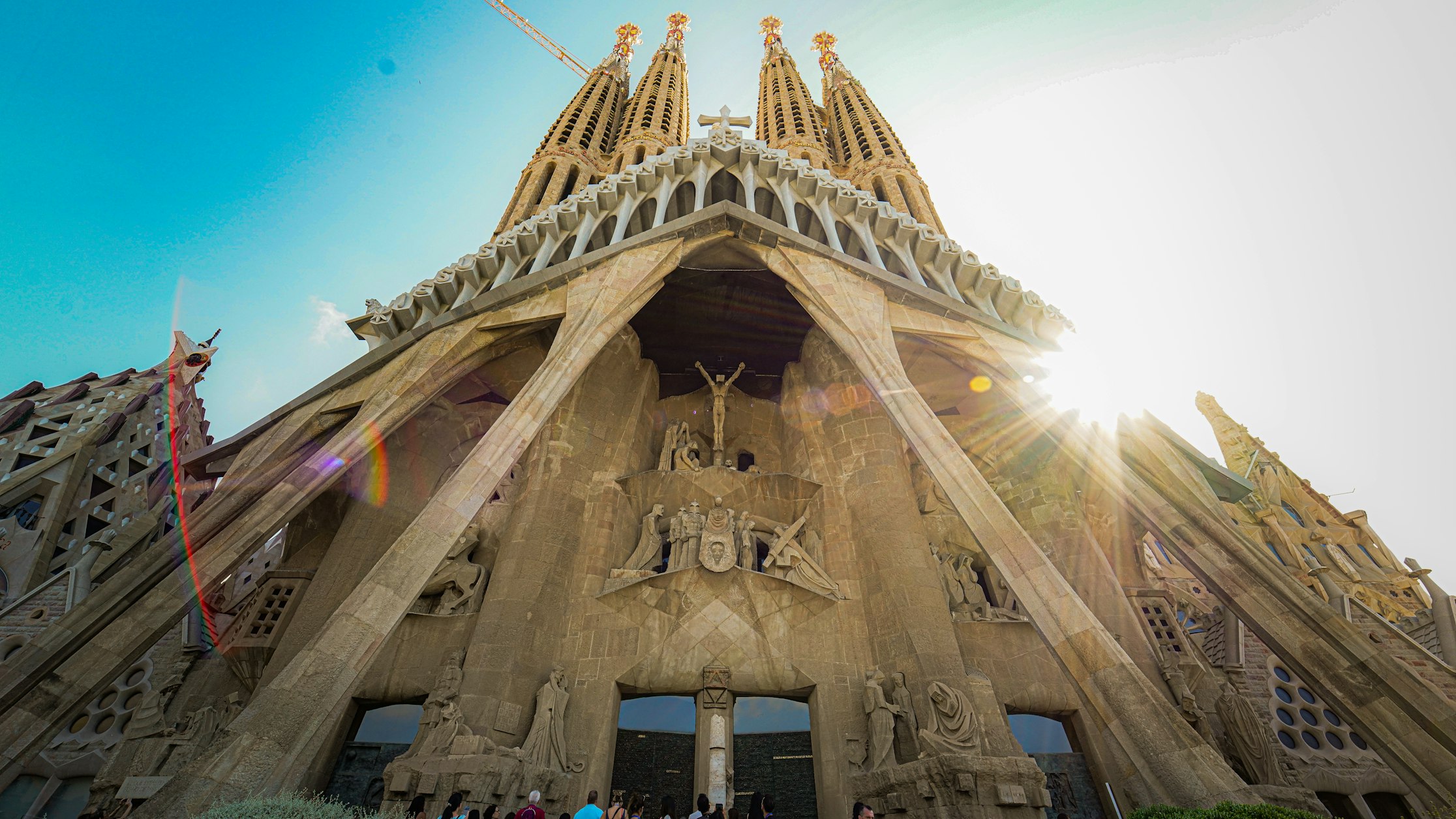

Spanish Monuments You Must Visit: A Cultural Journey Through Spain
Spain is a country rich in history, culture, and architectural marvels that span centuries and civilizations. From ancient Roman ruins to magnificent Moorish palaces, from Gothic cathedrals to modernist masterpieces, Spain’s monuments tell the story of a nation that has been a crossroads of cultures for millennia. For Spanish language learners and culture enthusiasts, visiting these iconic landmarks provides not only unforgettable experiences but also valuable insights into Spanish history, art, and society.
The Crown Jewels of Spanish Architecture
1. The Alhambra - Granada
A Moorish Masterpiece The Alhambra stands as Spain’s most magnificent example of Islamic architecture and is considered one of the world’s most beautiful buildings. This stunning palace complex, built between the 13th and 14th centuries, showcases the artistic and architectural achievements of the Nasrid dynasty.
What to See:
- Nasrid Palaces with their intricate stucco work and geometric patterns
- Generalife Gardens with their beautiful fountains and water features
- Alcazaba fortress with panoramic views of Granada
- Palace of Charles V representing Renaissance architecture
Cultural Significance: The Alhambra represents the pinnacle of Moorish culture in Spain and serves as a testament to the sophisticated civilization that flourished in Al-Andalus. Its preservation allows visitors to experience the artistic and cultural achievements of medieval Islamic Spain.
2. Sagrada Familia - Barcelona
Gaudí’s Unfinished Masterpiece Antoni Gaudí’s Sagrada Familia is perhaps the most unique church in the world, combining Gothic architecture with organic, nature-inspired forms. This UNESCO World Heritage site has been under construction since 1882 and continues to evolve today.
Architectural Highlights:
- Nativity Façade representing the birth of Christ
- Passion Façade depicting the crucifixion
- Glory Façade (under construction) representing the resurrection
- Interior columns inspired by trees and natural forms
Modern Marvel: The Sagrada Familia represents the innovative spirit of Catalan modernism and demonstrates how traditional religious architecture can be reimagined for the modern age.
3. Toledo Cathedral - Toledo
The Primatial Cathedral of Spain Toledo Cathedral is one of the most important Gothic cathedrals in Spain and serves as the seat of the Primate of Spain. Its construction began in 1226 and represents over 250 years of architectural evolution.
Architectural Features:
- Gothic nave with soaring vaulted ceilings
- El Transparente altarpiece by Narciso Tomé
- Treasury with priceless religious artifacts
- Cloister with beautiful Renaissance details
Historical Importance: As the religious center of Spain for centuries, Toledo Cathedral has witnessed countless historical events and contains artistic treasures that reflect the country’s rich religious and cultural heritage.
Ancient Roman Heritage
4. Aqueduct of Segovia
Engineering Marvel of the Ancient World The Roman Aqueduct of Segovia, built in the 1st century AD, is one of the best-preserved Roman engineering works in the world. This massive structure, built without mortar, demonstrates the incredible engineering skills of the Romans.
Technical Achievement:
- 167 arches spanning over 800 meters
- Granite blocks perfectly fitted without cement
- Water channel that supplied the city for centuries
- Dual-level construction adapting to the terrain
Cultural Impact: The aqueduct symbolizes the lasting influence of Roman civilization in Spain and serves as a reminder of the country’s deep historical roots in classical antiquity.
5. Mérida Archaeological Ensemble
Roman Capital of Hispania Mérida, once the capital of the Roman province of Lusitania, contains one of the most extensive collections of Roman ruins in Spain. This UNESCO World Heritage site offers a comprehensive view of Roman urban life.
Key Sites:
- Roman Theatre with its impressive stage and seating
- Amphitheatre for gladiatorial games and spectacles
- Temple of Diana and other religious buildings
- Roman Bridge spanning the Guadiana River
Educational Value: For Spanish language learners, Mérida provides an excellent opportunity to learn historical and architectural vocabulary while experiencing authentic Roman culture.
Medieval and Renaissance Treasures
6. Burgos Cathedral
Gothic Splendor in Castile Burgos Cathedral is one of Spain’s most beautiful Gothic cathedrals, known for its elegant proportions and rich artistic heritage. Built between the 13th and 16th centuries, it represents the pinnacle of Spanish Gothic architecture.
Architectural Highlights:
- Golden Staircase by Diego de Siloé
- Chapel of the Constables with its star-vaulted ceiling
- Main façade with its intricate stone carvings
- Cloister with beautiful Renaissance details
Cultural Heritage: The cathedral houses the tomb of El Cid, Spain’s legendary medieval hero, making it a pilgrimage site for those interested in Spanish history and literature.
7. El Escorial Monastery
Philip II’s Monumental Vision The Monastery of San Lorenzo de El Escorial, built by King Philip II in the 16th century, is one of the most impressive examples of Spanish Renaissance architecture. This massive complex served as a royal palace, monastery, and burial place for Spanish monarchs.
Architectural Features:
- Classical Renaissance design with Spanish influences
- Royal Pantheon containing the tombs of Spanish kings and queens
- Library with priceless manuscripts and books
- Art collection including works by El Greco and other masters
Historical Significance: El Escorial represents the power and ambition of the Spanish Empire at its height and serves as a symbol of the close relationship between church and state in Spanish history.
Modern and Contemporary Architecture
8. Guggenheim Museum - Bilbao
Frank Gehry’s Architectural Revolution The Guggenheim Museum in Bilbao represents a new era in Spanish architecture, demonstrating how contemporary design can transform a city and create new cultural landmarks. Frank Gehry’s titanium-clad masterpiece has become a symbol of Bilbao’s cultural renaissance.
Design Innovation:
- Organic, flowing forms inspired by natural shapes
- Titanium panels that change color with light
- Interior spaces designed for maximum artistic impact
- Integration with the surrounding urban environment
Cultural Impact: The Guggenheim Bilbao has become a model for how architecture can drive urban renewal and cultural tourism, inspiring similar projects around the world.
9. City of Arts and Sciences - Valencia
Santiago Calatrava’s Futuristic Vision Valencia’s City of Arts and Sciences is a stunning complex of futuristic buildings designed by architect Santiago Calatrava. This cultural and scientific center represents Spain’s commitment to innovation and education.
Architectural Components:
- Hemisfèric - IMAX cinema and planetarium
- Museu de les Ciències - Science museum
- Palau de les Arts - Opera house and performing arts center
- Oceanogràfic - Europe’s largest aquarium
Modern Spain: The complex symbolizes Spain’s transformation into a modern, innovative nation while maintaining its rich cultural traditions.
Regional Architectural Gems
10. Santiago de Compostela Cathedral
Pilgrimage Destination The Cathedral of Santiago de Compostela is the final destination of the Camino de Santiago pilgrimage route and one of Spain’s most important religious buildings. Its Romanesque and Baroque architecture reflects centuries of religious devotion.
Pilgrimage Significance:
- Final destination for thousands of pilgrims annually
- Botafumeiro - massive incense burner swung during services
- Portico de la Gloria - masterpiece of Romanesque sculpture
- Relics of Saint James - the cathedral’s spiritual heart
11. Seville Cathedral and Giralda
Gothic Grandeur in Andalusia Seville Cathedral is the largest Gothic cathedral in the world and a testament to the city’s historical importance. The Giralda tower, originally a minaret, represents the city’s Moorish heritage.
Architectural Marvels:
- Massive interior with soaring vaults and chapels
- Giralda Tower with its distinctive Renaissance crown
- Royal Chapel containing the tomb of Christopher Columbus
- Patio de los Naranjos with its beautiful orange trees
Planning Your Monument Tour
Practical Considerations
Timing and Seasons:
- Spring and Fall offer pleasant weather and fewer crowds
- Summer can be hot but offers extended visiting hours
- Winter provides fewer tourists but some sites may have limited access
Tickets and Reservations:
- Book in advance for popular sites like the Alhambra
- Consider combination tickets for multiple attractions
- Check opening hours which may vary by season
- Guided tours often provide better access and information
Language Learning Opportunities:
- Audio guides available in multiple languages
- Guided tours in Spanish for language practice
- Informational materials in Spanish for vocabulary building
- Local guides for authentic cultural insights
Cultural Immersion Through Architecture
Learning Spanish Through Monuments
Vocabulary Building:
- Architectural terms and building elements
- Historical vocabulary and cultural concepts
- Artistic terminology and descriptive language
- Geographic and directional expressions
Cultural Understanding:
- Historical context of different periods
- Regional differences across Spain
- Religious and cultural traditions
- Social and political history
Escuela Elcano’s Cultural Excursions
At Escuela Elcano, we believe that understanding Spanish culture is essential for language learning. Our cultural program includes visits to many of these important monuments:
Organized Tours:
- Guided visits to local and regional monuments
- Cultural context provided in Spanish
- Language practice during excursions
- Historical background for better understanding
Language Integration:
- Vocabulary building related to architecture and history
- Conversation practice about cultural experiences
- Reading comprehension of historical materials
- Writing exercises describing visits and experiences
Your Spanish Cultural Journey Awaits
Spain’s monuments offer more than just beautiful architecture—they provide windows into the country’s rich history, diverse cultures, and artistic achievements. For Spanish language learners, these sites offer unique opportunities to practice language skills while deepening cultural understanding.
Whether you’re planning a comprehensive tour of Spain or focusing on specific regions, these monuments will provide unforgettable experiences and valuable insights into Spanish culture and history.
Start Your Cultural Adventure with Escuela Elcano
Ready to explore Spain’s magnificent monuments while improving your Spanish? Join us at Escuela Elcano for cultural excursions that combine architectural exploration with language learning. Our programs provide the perfect opportunity to experience Spain’s cultural treasures while practicing your Spanish skills in authentic contexts.
Contact us today to plan your cultural journey through Spain and discover why these monuments are considered among the world’s greatest cultural treasures.
Your Spanish cultural adventure is waiting for you!